


Armyworm Invasion: How to Save Your Lawn from Overnight Destruction
August 19, 2026
Pre-Fall Pest Proofing: Why August is the Best Month for a Perimeter Treatment
August 20, 2026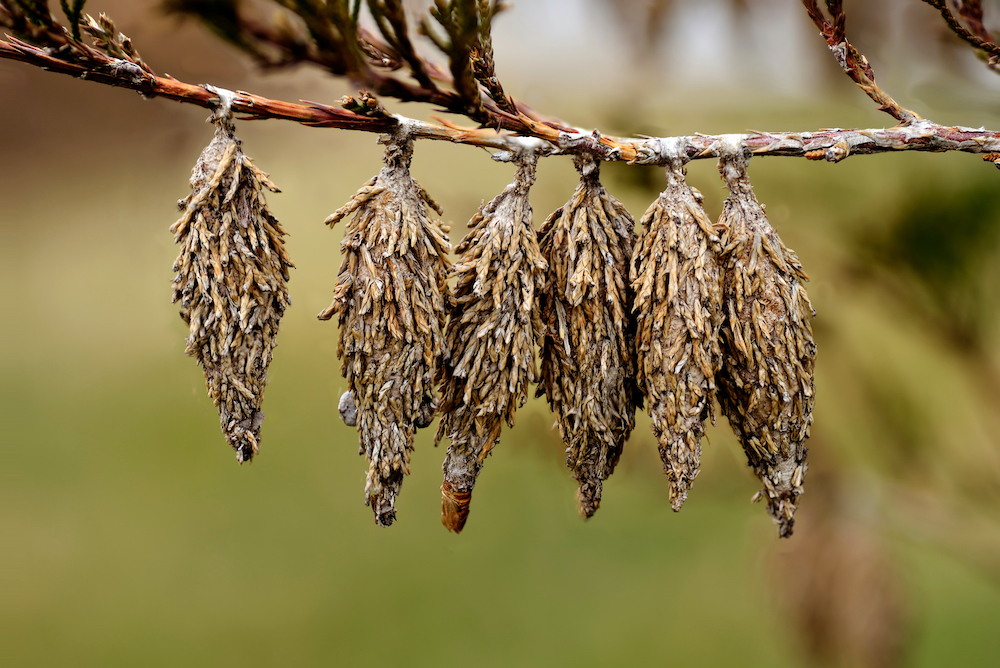
You step outside, look up at one of your trees, and notice something that definitely was not there before. There is silk wrapped around the branches, leaves are disappearing, and something appears to be living inside.
For Oklahoma homeowners, two pests commonly cause this kind of concern, fall webworms and bagworms. While people sometimes use the names interchangeably, these pests behave differently and can cause very different problems for your trees.
Knowing what you are looking at is important. The location and appearance of the silk can provide some of the best clues.
Are Those Silk Nests in Your Tree Branches Webworms?
Large, messy webs surrounding leaves near the ends of branches are usually associated with fall webworms.
Fall webworms Oklahoma homeowners encounter often become especially noticeable during summer and early fall. Their colonies build silk webs around foliage, then feed on the leaves protected inside.
As the caterpillars need more food, the web can expand to cover additional leaves and branches.
Common signs include:
- Large webs surrounding leaves at the ends of branches
- Groups of caterpillars feeding inside the web
- Brown or partially eaten leaves trapped within the silk
- Webs that become larger as the infestation develops
- Multiple nests appearing throughout the same tree
From the ground, these webs can look dramatic. A mature web may cover a noticeable portion of a branch, making an otherwise healthy tree suddenly look neglected or unhealthy.
The good news is that identifying the pest early gives you more options for protecting the tree before feeding becomes more extensive.
How Can You Tell Bagworms Apart From Webworms?
Bagworms usually do not create the large, obvious webs associated with fall webworms.
Instead, individual bagworms build small protective cases, or bags, around themselves. These bags are made from silk combined with pieces of leaves, needles, and other plant material.
Because the bags blend into the tree, homeowners often mistake them for pine cones, dried leaves, or bits of debris.
The caterpillar can extend its head and upper body from the bag to feed. As it grows, the bag grows with it.
If you see dozens of small, spindle shaped bags hanging from branches rather than one large web covering leaves, you may be dealing with bagworms.
This difference is one of the easiest ways to distinguish the two pests.
Which Oklahoma Trees Are Most at Risk From Bagworms?
Bagworms can feed on many plants, but they are especially concerning on evergreen trees and shrubs.
Junipers, arborvitae, cedars, and similar landscape plants can be particularly vulnerable because heavy feeding removes foliage that may not readily grow back.
Bagworms may also appear on deciduous trees and other ornamental plants around Oklahoma properties.
A few bags may not seem alarming at first. The problem is that populations can build, and a heavily infested plant may support a surprising number of feeding larvae.
By the time widespread browning becomes obvious, significant damage may already have occurred.
That is why timely bagworm treatment for trees is so important, particularly when valuable evergreens are involved.
Do Fall Webworms Cause Serious Tree Damage?
Fall webworms primarily damage trees by feeding on foliage.
A healthy, established deciduous tree can sometimes tolerate a certain amount of leaf loss, particularly later in the growing season. That does not mean every infestation should simply be ignored.
Young trees, stressed trees, and trees experiencing repeated or heavy feeding may be more vulnerable.
Oklahoma summers can already place trees under considerable stress. Long periods of heat, limited rainfall, and dry soil conditions can make it harder for a tree to handle additional pressure from feeding insects.
Large webs are also unsightly, especially when they appear in prominent shade trees near patios, driveways, and front yards.
If you are seeing several expanding nests, a professional inspection can determine how extensive the activity has become.
When Is the Best Time for Bagworm Treatment for Trees?
Timing makes a major difference with bagworms.
Young bagworm larvae are generally easier to manage than mature caterpillars protected inside larger, tougher bags. Once the insects become more developed, treatment options may become more limited.
This is one reason homeowners sometimes feel like a treatment did not work. They may not notice the infestation until the bags are large and the insects are well protected.
Professional pest control technicians understand how the pest’s development affects treatment decisions.
Rather than simply spraying a tree because bags are visible, a technician can evaluate the stage of the infestation, the type of tree involved, the amount of damage, and the most appropriate treatment approach.
How Do You Get Rid of Webworms?
Homeowners searching for how to get rid of webworms often find suggestions for homemade sprays, burning webs, or trying to tear nests apart.
Those approaches can create unnecessary risks and may not address the full infestation.
Trying to burn webs is particularly dangerous and can injure the tree, damage surrounding property, or cause a fire. Attempting to reach nests high in a tree can also put homeowners at risk of falls.
Professional treatment provides a safer approach.
A trained technician can identify whether the problem is actually fall webworms, determine where active colonies are located, and select an appropriate treatment based on the tree and the severity of the infestation.
Correct identification comes first because webworms and bagworms should not automatically be treated as the same pest.
Why Does Professional Identification Matter?
Seeing silk in a tree tells you something is happening, but it does not always tell you exactly what pest is responsible.
Bagworms, webworms, and other caterpillars can create confusing symptoms. Treating based on appearance alone can mean missing the best treatment window or targeting the wrong insect.
Professional tree pest control in OKC and surrounding Oklahoma communities starts with understanding what is actually feeding on your landscape.
At Champion Pest Control, we look at the type of silk or bag present, feeding patterns, affected tree species, pest activity, and the overall condition of the plant.
That information helps us recommend treatment based on the actual problem rather than guesswork.
Noticing Silk or Bags in Your Oklahoma Trees? Call Champion
Whether you are looking at a large web covering the end of a branch or dozens of small bags hanging from an evergreen, early attention can help prevent the problem from becoming more severe.
Champion Pest Control can identify the pest, evaluate the extent of the infestation, and recommend the right professional treatment for your property.
Contact Champion Pest and Lawn today to schedule an inspection. If something is building silk nests in your tree branches, we can help identify what is there and protect the trees that make your yard feel like home.


